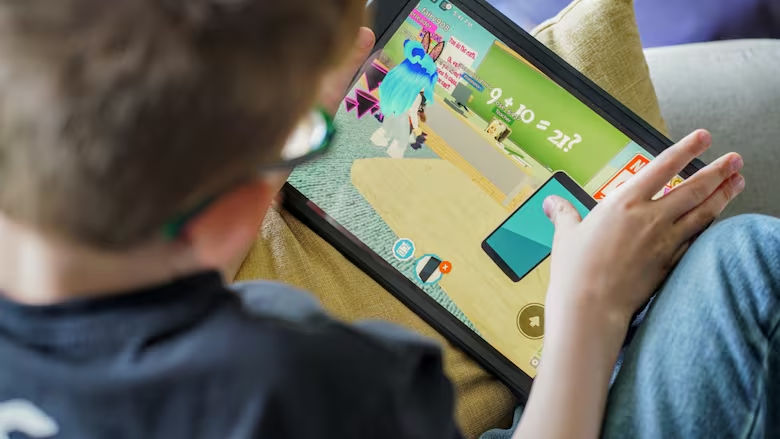
In today’s digital world, screens are FCM99 everywhere—phones, tablets, computers, TVs, and gaming consoles. Games have become a popular way to unwind, connect, and have fun, but with the rise of screen-based entertainment, managing screen time has become a crucial concern for many families and individuals. Whether you’re a parent, a gamer, or just someone looking to maintain a healthy lifestyle, finding the right balance between screen time and other activities is essential.
This blog post explores practical strategies for balancing screen time with game time and ensuring that gaming remains a positive and healthy part of your daily routine.
Understanding the Screen Time Challenge
Before diving into solutions, it’s important to understand why balancing screen and game time matters.
Physical Health: Excessive screen use can lead to eye strain, headaches, poor posture, and reduced physical activity.
Mental Health: Too much screen time has been linked to sleep disruption, anxiety, and decreased attention spans.
Social Impact: Overusing screens can reduce face-to-face interactions and affect relationships.
Academic or Work Performance: Screen distractions may negatively impact productivity and focus.
While gaming is a fantastic way to relax and socialize, it’s easy to let it dominate your free time if you’re not mindful.
Setting Screen Time Limits: Tips for Success
- Create Clear Boundaries
Set specific rules around screen and game time for yourself or your family. For example:
Daily or weekly time limits: Use timers or parental controls to restrict gaming sessions to a reasonable length (e.g., 1-2 hours per day).
Screen-free zones: Designate areas like the dining room or bedrooms as screen-free to encourage other activities.
Tech curfews: Avoid screens at least an hour before bedtime to improve sleep quality.
Clear boundaries help prevent overuse and create expectations everyone can follow.
- Use Technology to Your Advantage
Many devices now come with built-in tools to monitor and limit screen time:
Parental controls: These can restrict game playtime, app usage, or content.
Screen time tracking apps: Track how much time you or your family spends on different devices and games.
Do Not Disturb modes: Schedule “focus times” to minimize distractions.
Technology can be an ally when used thoughtfully.
- Balance Gaming with Other Activities
Encourage a healthy mix of activities alongside gaming:
Physical exercise: Aim for at least 30 minutes of moderate activity daily, like walking, cycling, or sports.
Creative hobbies: Reading, drawing, playing an instrument, or crafting stimulate different parts of the brain.
Social interactions: Face-to-face time with friends and family is crucial for emotional well-being.
Outdoor time: Exposure to nature has proven benefits for mood and concentration.
Scheduling varied activities helps gaming remain a fun part of a balanced lifestyle.
Making Game Time More Meaningful
Balancing screen time doesn’t mean eliminating gaming—it means making your game time more intentional and rewarding.
- Choose Quality Games
Select games that:
Encourage problem-solving, creativity, or teamwork.
Offer social interaction, either online with friends or in-person multiplayer.
Are age-appropriate and align with your values.
Quality games provide positive mental stimulation and opportunities for connection.
- Play Mindfully
Instead of mindlessly scrolling or playing for hours, be aware of how gaming fits into your day.
Set goals for what you want to accomplish during gaming sessions.
Take regular breaks to stretch and rest your eyes.
Reflect on how you feel before, during, and after playing.
Mindful gaming enhances enjoyment and reduces negative effects.
- Use Gaming as a Social Tool
Gaming can foster friendships and family bonds.
Organize regular multiplayer sessions with friends or family.
Try cooperative or team-based games to encourage collaboration.
Use gaming nights as an opportunity to disconnect from work or school stress and connect socially.
Social gaming supports emotional health and balances screen use with meaningful interaction.
Tips for Parents: Guiding Kids and Teens
Balancing screen and game time can be especially tricky with children and teenagers.
Model healthy behavior: Children emulate adults, so manage your own screen time wisely.
Discuss rules and reasons: Explain why limits are important for health and well-being.
Involve kids in setting limits: When kids participate, they’re more likely to respect the boundaries.
Encourage alternative activities: Provide easy access to books, sports gear, art supplies, and outdoor toys.
Monitor content and interactions: Ensure games are age-appropriate and online interactions are safe.
By creating an open and supportive environment, you help kids develop lifelong healthy tech habits.
Overcoming Common Challenges
Balancing screen time and game time isn’t always easy. Here are some common hurdles and how to tackle them:
Challenge: Gaming Addiction or Overuse
Recognize warning signs like neglecting responsibilities, irritability when not playing, or lying about playtime.
Seek professional help if needed, such as counseling or support groups.
Use gradual reductions and rewards for sticking to limits.
Challenge: Resistance to Limits
Communicate the benefits of balance rather than just enforcing rules.
Offer choices and compromise where possible.
Encourage alternative engaging activities to reduce gaming as the default.
Challenge: Finding Time for Other Activities
Integrate exercise or hobbies into daily routines (e.g., walk to school, practice instruments during breaks).
Schedule activities and gaming time so neither is neglected.
Prioritize quality over quantity in both gaming and other pursuits.
Final Thoughts
Balancing screen time and game time is about creating a lifestyle where gaming is a positive, enjoyable part of a broader range of activities. With clear limits, mindful gaming, and a healthy mix of exercise, social time, and offline hobbies, you can enjoy the benefits of gaming without sacrificing your well-being.
Whether you’re managing your own habits or guiding children and teens, the key is communication, consistency, and flexibility. Screens and games are here to stay—learning how to use them wisely ensures they enrich your life rather than detract from it.
 Site Title